


Why Venue Selection Makes or Breaks Your Conference
Your choice of conference venue sets the tone for your entire event. In a country with over 800 dedicated conference facilities, conference venue Germany selection can feel overwhelming. But with the right framework, you’ll identify the perfect space that aligns with your objectives, budget, and attendee expectations.
Germany’s venues range from state-of-the-art convention centers hosting 10,000+ delegates to intimate castle retreats for 30. This guide, informed by CTI DMC’s 50+ years of venue sourcing experience, helps you navigate the options systematically.
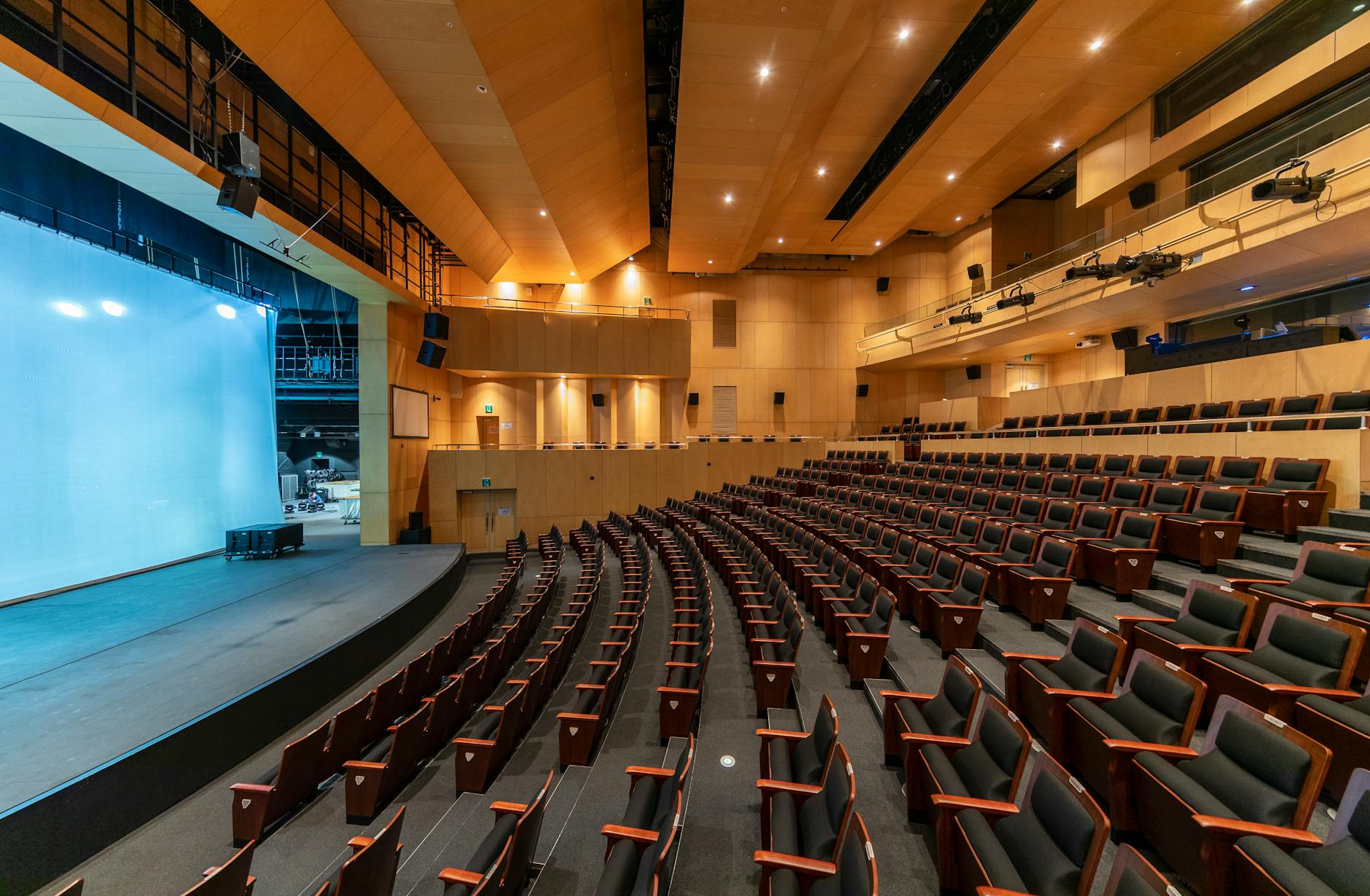
Step 1: Define Your Requirements
Before beginning your conference venue Germany selection, document these essentials:
Capacity and Layout
- Total attendees — Including speakers, staff, and sponsors
- Plenary sessions — Theater, classroom, or cabaret style? Each requires different space per person:
- Theater: 0.7–1.0 m² per person
- Classroom: 1.5–2.0 m² per person
- Banquet: 1.5–1.8 m² per person
- U-shape: 3.0–4.0 m² per person
- Breakout rooms — Number and size needed for parallel sessions
- Exhibition space — If sponsors or exhibitors need booths
- Registration area — Often overlooked; needs space for queuing and badge pickup
- Networking areas — Informal spaces for coffee breaks and conversations
Technical Requirements
- Built-in AV vs. external supplier access
- Internet bandwidth (minimum 100 Mbps for conferences with live streaming)
- Power supply for exhibitor booths
- Simultaneous interpretation booths
- Hybrid/virtual streaming capability

Step 2: Evaluate Location Factors
Smart conference venue Germany selection considers accessibility and surroundings:
Transportation Access
- Airport proximity — corporate events in Frankfurt (FRA), Munich (MUC), and Berlin (BER) are the main international gateways
- Train connections — Germany’s ICE network means venues near Hauptbahnhof (central station) are easily accessible from multiple cities
- Local transport — Is the venue accessible by U-Bahn/S-Bahn? Can you negotiate event tickets for public transport?
- Parking — Essential for events where attendees drive (common for domestic conferences)
Hotel Proximity
- Sufficient hotel rooms within 15-minute walking or transit distance
- Room rate ranges that match your attendees’ budget expectations
- Group block availability and negotiated rates
Local Appeal
- Restaurants and bars within walking distance for informal networking
- Nearby attractions for pre/post-conference activities
- Safety of the neighborhood — particularly for evening events
Step 3: Assess Sustainability Credentials
Sustainability is increasingly critical in conference venue Germany selection. Germany leads Europe in green meeting infrastructure:
Certifications to Look For
- Green Globe — International sustainability certification for venues
- EMAS — EU Eco-Management and Audit Scheme
- DGNB — German Sustainable Building Council certification
- Certified Green Meeting — Specific to the German events industry
Practical Green Features
- Renewable energy sourcing
- Waste separation and recycling programs
- Regional and seasonal catering options
- Carbon offset partnerships
- Digital alternatives to printed materials
- Water refill stations instead of plastic bottles
The German Convention Bureau maintains a database of certified sustainable venues.

Step 4: Compare Venue Types
Convention Centers
Best for: Large conferences (500+ attendees), trade fairs, exhibitions
Examples: Messe Berlin, ICM Munich, Congress Center Hamburg (CCH)
Pros: Maximum capacity, professional infrastructure, flexible layouts
Cons: Can feel impersonal, higher costs, limited uniqueness
Conference Hotels
Best for: Mid-sized conferences (50–500 attendees), multi-day events
Examples: Steigenberger properties, Marriott conference centers, Dorint hotels
Pros: All-in-one (accommodation + meetings), simplified logistics, package deals
Cons: Limited maximum capacity, standardized aesthetics
Unique Venues
Best for: Premium conferences, executive retreats, memorable experiences
Examples: Castles, museums, historic town halls, industrial spaces
Pros: Exceptional atmosphere, memorable for attendees, strong brand alignment
Cons: Often limited infrastructure, higher setup costs, accessibility challenges
Step 5: Ask the Right Questions
During your conference venue Germany selection process, ask venue managers:
- What is the room hire cost, and does it reduce with F&B minimum commitment?
- Is AV equipment included, or must we use an external supplier? Are there exclusivity contracts?
- What is the maximum bandwidth available? Can it be dedicated to our event?
- What are the overtime charges after the standard end time?
- What is your cancellation policy at 12, 6, and 3 months?
- Can we conduct a full technical rehearsal the day before?
- What other events are running simultaneously that could cause noise, parking, or elevator conflicts?
- Do you have sustainability certifications? What specific green practices do you follow?
- What is your emergency evacuation plan for our expected attendance?
- Can we bring external caterers, or is in-house catering mandatory?
Let CTI DMC Simplify Your Venue Search
The conference venue Germany selection process doesn’t have to be overwhelming. With 50+ years of venue relationships across all 16 German states, CTI DMC provides curated shortlists, arranges site inspections, and negotiates contracts on your behalf.
We know which venues deliver on their promises, which ones have hidden costs, and which ones are worth the premium. Contact us to start your venue search with a partner who’s inspected hundreds of German conference venues firsthand. Explore our meetings and conferences services for more information.
Frequently Asked Questions
What factors should I consider when choosing a conference venue in Germany?
Key factors include location and accessibility (airport/train connections), capacity and room flexibility, technical infrastructure (AV, WiFi, hybrid capabilities), catering quality, accommodation options nearby, and budget alignment.
What are the top conference venues in Germany?
Leading conference venues include the ICM Munich, Congress Center Hamburg (CCH), CityCube Berlin, Congress Center Düsseldorf, and Festhalle Frankfurt. For smaller conferences, university halls, hotel conference centers, and historic venues offer unique atmospheres.
Should I choose a hotel or dedicated conference center?
Hotels offer convenience with accommodation on-site, while dedicated conference centers provide more professional facilities and flexible space configurations. For multi-day conferences with attendees needing accommodation, a conference hotel is often the most practical choice.
How early should I book a conference venue in Germany?
Book 12–18 months ahead for large conferences, especially in popular cities. Avoid major trade fair dates (check Messe schedules) as venues and hotels fill up quickly. Smaller meeting rooms can sometimes be secured 3–6 months out.