

Why German Business Etiquette Matters for Events
Germany is Europe’s largest economy and one of the world’s top business event destinations. Yet cultural missteps can undermine even the most meticulously planned conference or gala dinner venues in Germany. Understanding German business etiquette events requires goes beyond knowing which fork to use — it’s about respecting a business culture built on precision, directness, and mutual respect.
As CTI DMC has learned in over 50 years of managing international events across Germany, the cultural details are often what transform a good event into an exceptional one.
Punctuality: The Non-Negotiable Rule
In German business etiquette events planning, punctuality isn’t just polite — it’s a fundamental sign of professionalism and respect.
- Start on time, always — If your program says 09:00, begin at 09:00. Not 09:05. German attendees will be seated and ready
- “Academic quarter” exception — Some university-related events use “c.t.” (cum tempore), starting 15 minutes late. corporate event budget guides never do
- End on time too — Running over schedule is seen as poor planning, not enthusiasm
- Buffer transport time — Account for realistic transfer times including traffic. Arriving late to a dinner venue because of underestimated drive times reflects poorly on the organizer
Pro tip: Build 10-minute buffers between sessions in your program. Germans prefer a slightly relaxed schedule over one that consistently runs late.
Greetings and Forms of Address
The Handshake
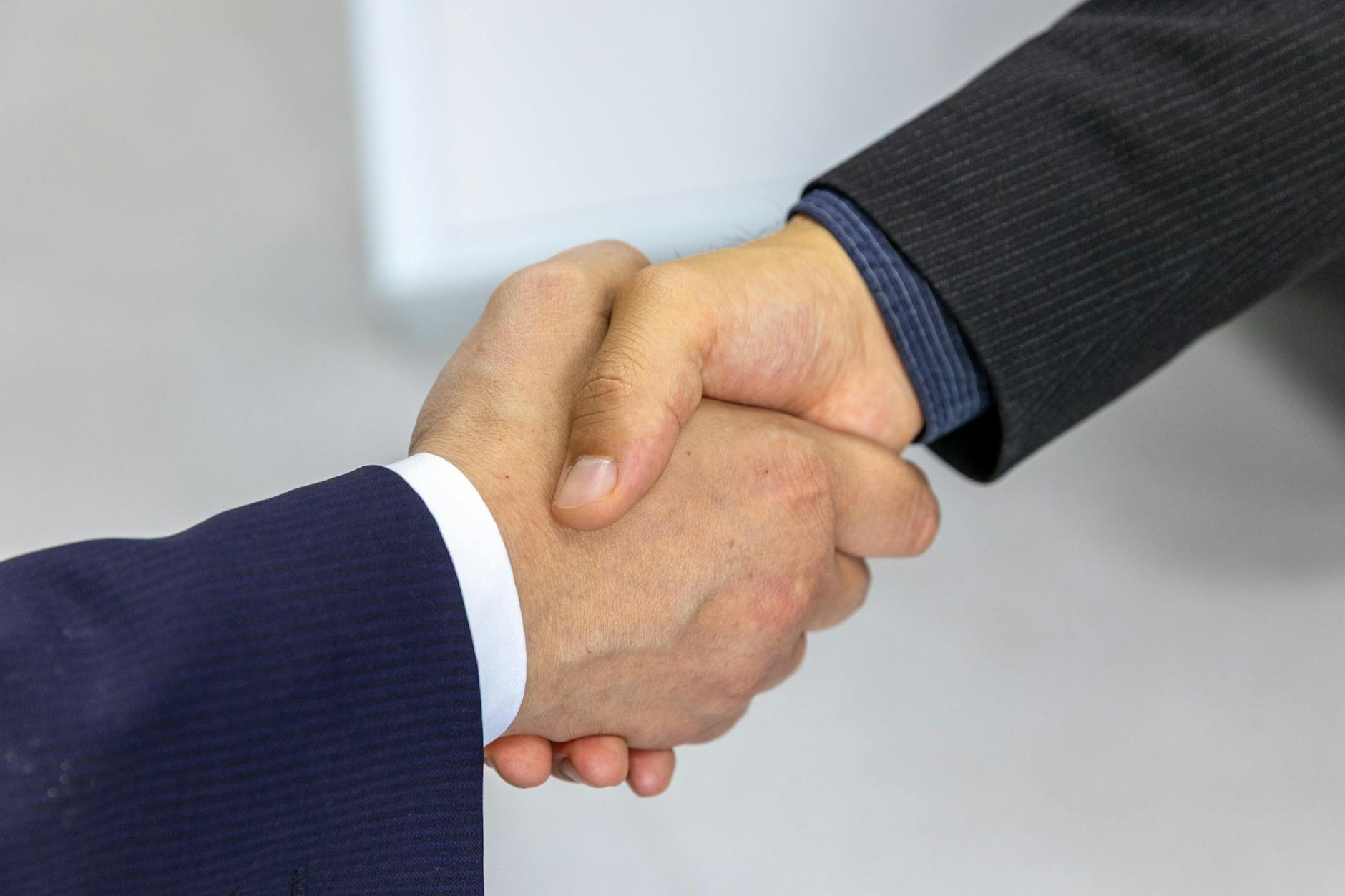
- Firm handshake with direct eye contact
- Shake hands when arriving AND leaving
- In group settings, greet each person individually — skipping someone is considered rude
- Wait for the most senior person to extend their hand first
Titles and Names
- Use titles — “Herr Doktor Schmidt” or “Frau Professor Müller” until explicitly invited to use first names
- The “Du/Sie” distinction — German has formal (Sie) and informal (Du) address forms. In business, always use “Sie” unless the German counterpart offers “Du”
- Name badges — Include full titles on event badges. It matters
Dining Etiquette for Events
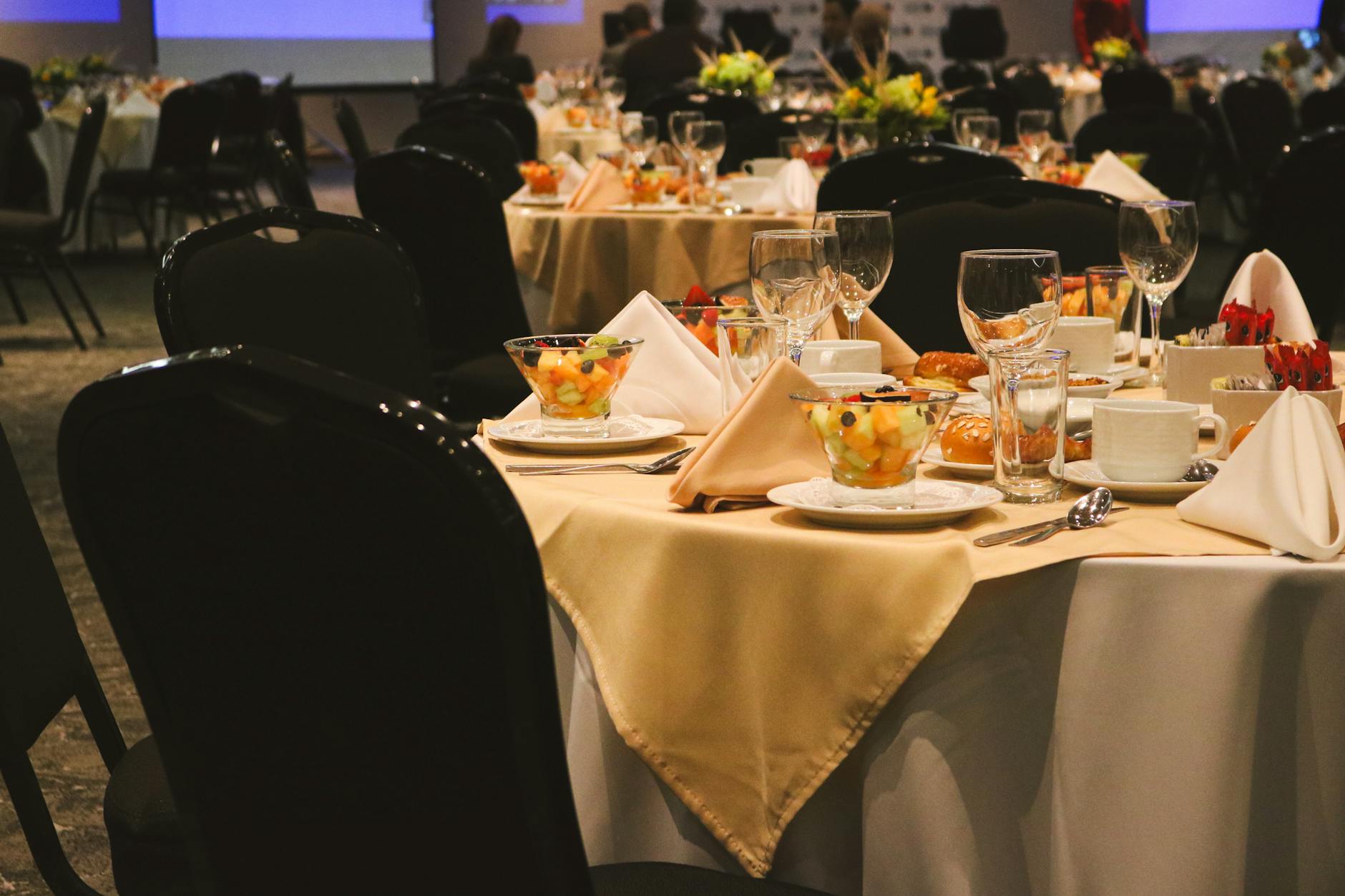
For German business etiquette events involving meals, these rules apply:
General Dining Rules
- Wait for the host — Don’t begin eating until the host says “Guten Appetit” or lifts their fork
- Toast properly — Make eye contact with each person during a toast. Saying “Prost” (beer) or “Zum Wohl” (wine) while looking away is considered bad luck and rude
- Keep hands visible — Rest wrists on the table edge (not hands in lap, as in American style)
- Finish your plate — Leaving significant food is seen as wasteful. Portions in Germany are generous, so serve accordingly at buffets
- The bread plate — Bread is placed directly on the tablecloth, not on the plate, in many traditional German settings
Alcohol at Events
- Wine and beer at business dinners are standard and expected
- Not drinking alcohol is perfectly acceptable — but have a clear alternative (sparkling water, not just tap water)
- Excessive drinking is frowned upon in business settings despite Germany’s beer culture
- Always offer non-alcoholic options prominently
Gift-Giving at Corporate Events
Understanding German business etiquette events gift customs avoids awkward moments:
- Appropriate gifts: Quality pens, books, regional specialties from your home country, premium chocolates
- Avoid: Anything overly expensive (seen as bribery attempt), wine (unless you know their taste), pointed items like knives (superstition), red roses (romantic connotation)
- Wrapping matters — Gifts should be properly wrapped. Avoid white, black, or brown paper (associated with mourning)
- When to give: At the end of an event or meeting, not the beginning
- Corporate gift value: Keep below €35 per person to comply with German tax deductibility rules for business gifts (Geschenke an Geschäftsfreunde)
Communication Style
Directness
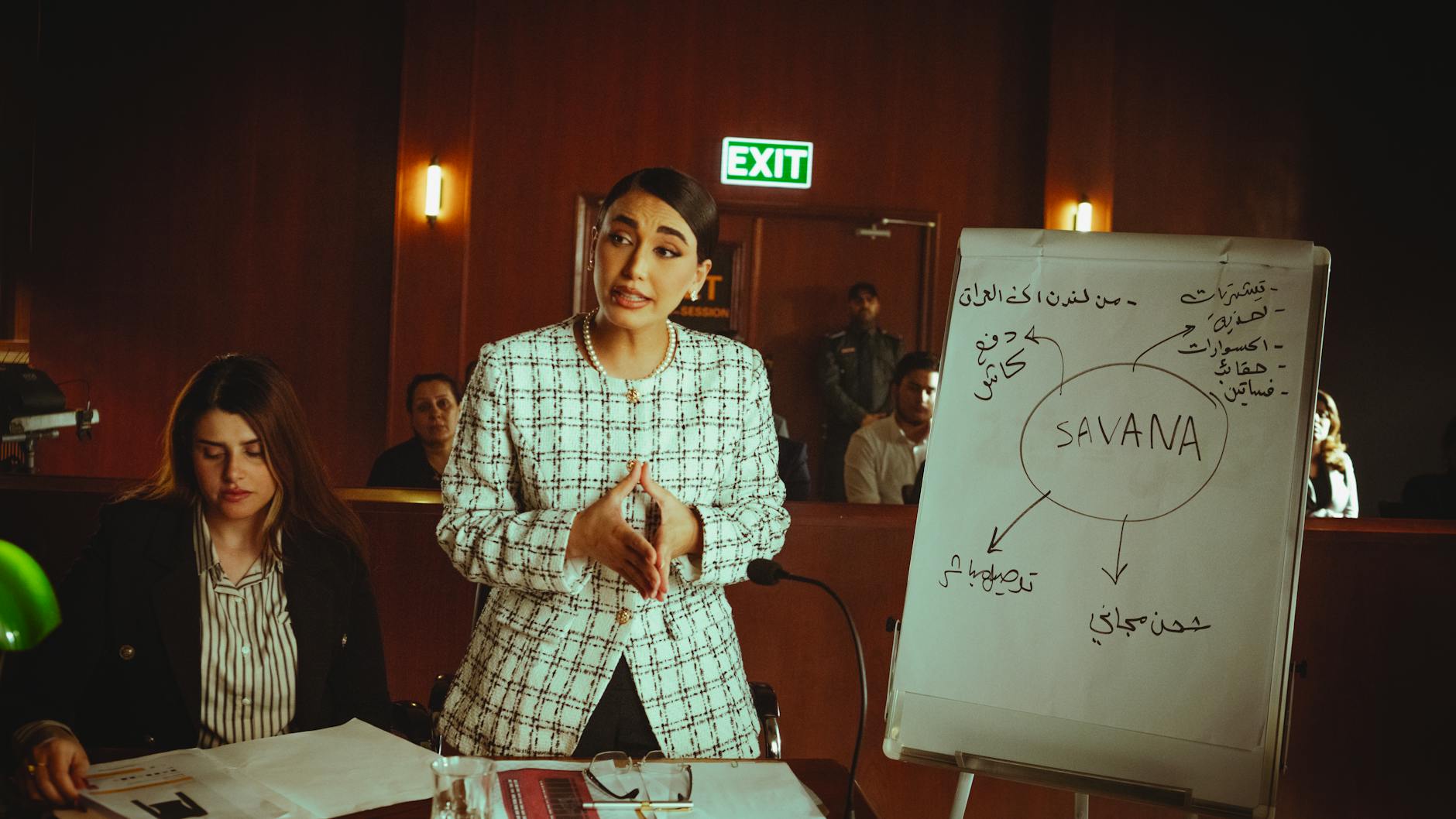
Germans communicate directly. In event contexts:
- Feedback will be honest and specific — “The AV quality was poor” means exactly that, not a general complaint
- Small talk is brief — German business contacts move to the agenda quickly
- Saying “no” is not rude; it’s respected as clarity
Meeting Structure
- Agendas are sacred — Distribute beforehand and follow them. Tangents are unwelcome
- Prepare thoroughly — Germans come to meetings fully prepared and expect the same
- Data over anecdotes — Support proposals with facts, statistics, and documentation
Regional Differences
Germany is not monolithic. German business etiquette events in Munich differ from those in Hamburg:
- Bavaria (Munich) — More traditional, hierarchical. Lederhosen at a corporate Oktoberfest event is genuine, not costume. Catholic holidays affect scheduling
- Northern Germany (Hamburg, Bremen) — More reserved, understated. Hanseatic business culture values discretion and understatement
- Rhineland (Cologne, Düsseldorf) — More relaxed and convivial. Carnival season (February) dominates social life
- Berlin — Casual, international, startup-influenced. More likely to use first names quickly
- Eastern Germany (Leipzig, Dresden) — Growing business scene with a blend of traditional and modern approaches
Practical Tips for Event Planners
- Print materials: Germans still value printed agendas, business cards, and event programs despite digital trends
- Sustainability: Environmental awareness is high. Avoid single-use plastics visibly — it will be noticed and judged
- Sunday rest: Germany’s Ladenschlussgesetz means most shops close on Sundays. Plan activities accordingly
- Quiet hours: Noise restrictions (Ruhezeiten) apply from 22:00–06:00 and all day Sunday in residential areas
- Smoking: Banned indoors at events. Provide designated outdoor smoking areas
Navigate German Business Culture with Confidence
Mastering German business etiquette events require is what separates good events from great ones. With over 50 years bridging international planners and German business culture, CTI DMC ensures your event respects local customs while delivering world-class experiences.
From seating arrangements to speech protocols, our team handles the cultural nuances so you can focus on your event’s objectives. Contact us to discuss how we can help your next event succeed in Germany. Learn more about the basics of German business culture or explore our meetings and conference services.
Frequently Asked Questions
What are the key rules of German business etiquette?
Punctuality is paramount in Germany—arrive on time or slightly early. Use formal titles (Herr/Frau + surname) until invited to use first names, dress conservatively for business settings, and always shake hands firmly when greeting.
Is it acceptable to discuss business during dinner in Germany?
Germans generally prefer to keep business and social dining separate. Wait for your German hosts to bring up business topics during meals. Dinner is often seen as a relationship-building opportunity rather than a negotiation setting.
What should I know about gift-giving at German corporate events?
Corporate gifts should be modest and tasteful—premium wines, quality chocolates, or items from your home country work well. Avoid overly expensive gifts as they may be seen as inappropriate. Always present gifts after business is concluded.
How formal are German business events?
German business events tend to be more formal than in many other countries, especially initial meetings. However, the atmosphere usually relaxes during evening events and team activities. When in doubt, err on the side of formality.