
Demystifying the DMC Partnership
If you’ve never worked with a Destination Management Company before – or if you’ve had mixed experiences – understanding the working with a DMC process from start to finish removes uncertainty and sets the stage for a successful partnership. A great DMC doesn’t just execute logistics; they become an extension of your team, bringing local expertise, creative ideas, and operational excellence to every program.
At CTI DMC, we’ve refined our process over more than 50 years of operation in Germany. Here’s exactly what to expect at every stage.

Stage 1: The RFP (Request for Proposal)
The working with a DMC process typically begins with an RFP – your opportunity to communicate what you need and evaluate potential partners.
What to Include in Your RFP
The more detail you provide, the better the proposals you’ll receive. Essential elements include:
- Event dates (or date range if flexible)
- Group size and demographic profile
- Event objectives – what success looks like
- corporate event budget guide range (even approximate ranges help enormously)
- Preferred destination(s) or openness to suggestions
- Program elements needed (accommodation, transfers, activities, dining, AV, etc.)
- Special requirements (accessibility, dietary, VIP handling)
- Decision timeline
How Many DMCs to Approach
We recommend sending your RFP to 3-5 DMCs. Fewer than three limits your perspective; more than five makes evaluation overwhelming and signals to DMCs that the process may not be serious – potentially reducing the quality of proposals you receive.
Stage 2: The Proposal
A professional DMC will typically respond within 5-10 business days with a comprehensive proposal. In the working with a DMC process, the proposal is your best indicator of what the partnership will be like.
What a Great Proposal Looks Like
CTI DMC proposals go beyond answering the brief. They include:
- Creative concepts that elevate your initial vision
- Multiple venue options with pros and cons for each
- Detailed day-by-day program suggestions
- Transparent pricing with clear breakdowns
- Alternative options at different price points
- Relevant case studies and references
- Risk assessment and contingency plans
Red Flags in Proposals
Watch for generic proposals that could apply to any destination, lack of pricing transparency, unwillingness to provide references, or proposals that simply mirror your RFP without adding value. A DMC should bring ideas you haven’t thought of.
Stage 3: Selection and Contracting
Once you’ve shortlisted DMCs, the working with a DMC process moves to deeper conversations and eventually contracting.
The Chemistry Call
Before signing anything, have a video call with the team who would actually manage your program. Chemistry matters enormously – this team will represent your company’s values and standards on the ground in Germany.
Contract Essentials
A professional DMC contract should clearly outline:
- Scope of services
- Payment schedule (typically deposit + interim + final)
- Cancellation terms aligned with industry standards (PCMA)
- Liability and insurance coverage
- Change management process
- Force majeure provisions
Stage 4: Planning and Communication
This is where the working with a DMC process becomes a true collaboration. The planning phase typically spans 3-12 months depending on program complexity.
Regular Check-Ins
CTI DMC establishes a communication rhythm from day one – typically bi-weekly calls during planning phases, escalating to weekly as the event approaches. We use shared project management tools so every stakeholder has real-time visibility into progress.
Vendor Management
Your DMC manages all local vendor relationships – hotels, restaurants, transport companies, activity providers, AV partners, and entertainment. This single-point-of-contact model saves you dozens of hours of coordination.
Budget Management
Expect regular budget updates as plans solidify. A good DMC proactively flags potential overruns and suggests alternatives before costs escalate. CTI DMC provides detailed budget tracking at every stage.
Stage 5: Site Inspection
For significant programs, a site inspection is a crucial part of the working with a DMC process. This is your opportunity to see venues, test restaurants, and experience the destination firsthand.
What CTI Includes in Site Inspections
- Hotel tours including room categories, meeting spaces, and F&B options
- Restaurant visits with menu tastings
- Activity previews where possible
- Transport route reviews (timing, comfort, scenic options)
- Meetings with key local partners
- Evening program previews
Site inspections typically last 2-3 days and are one of the most valuable investments in program quality.
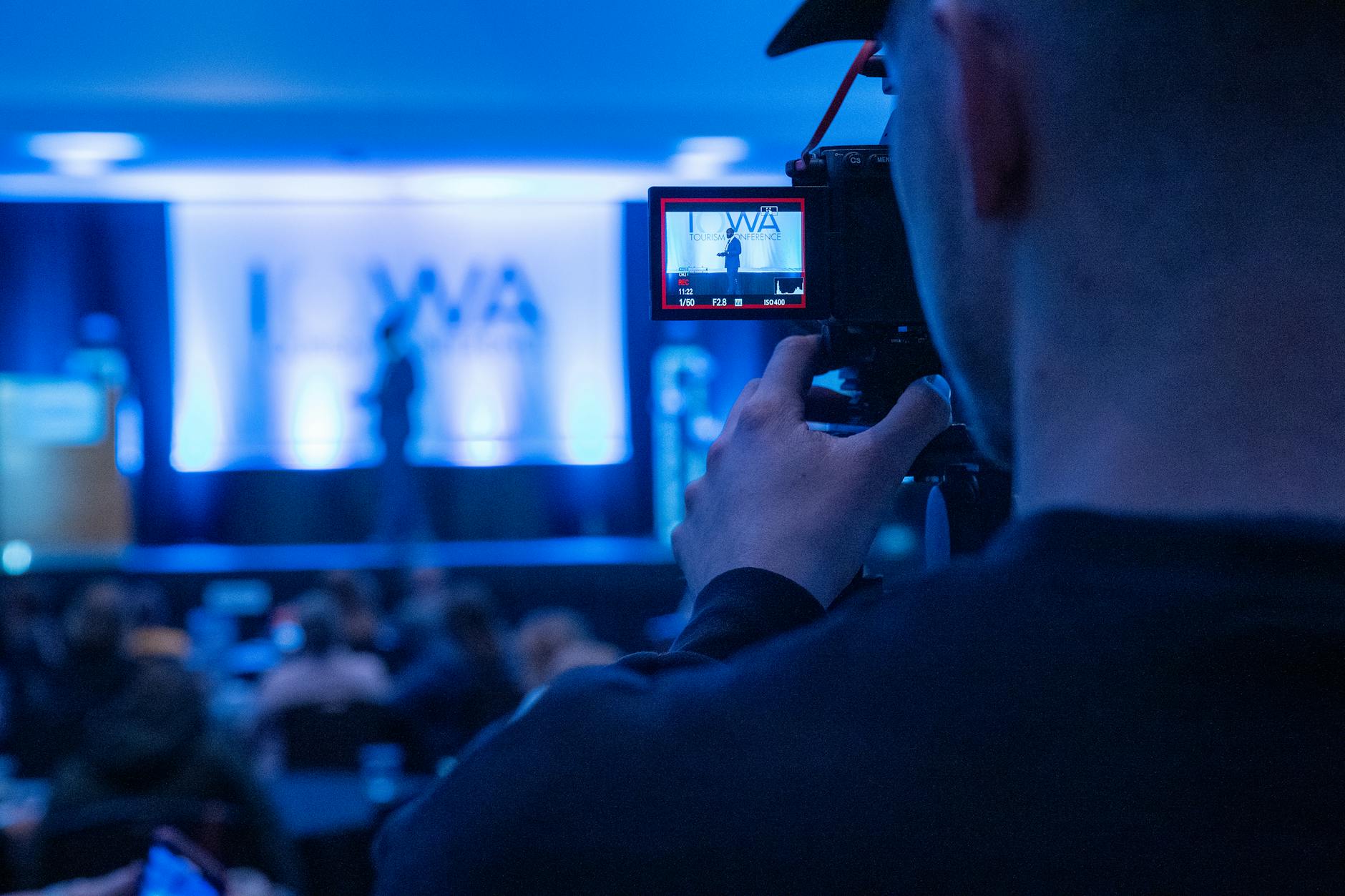
Stage 6: On-Site Execution
This is where everything comes together. The on-site phase of the working with a DMC process is where a great DMC earns its fee many times over.
The CTI On-Site Team
Every CTI DMC program has a dedicated on-site project manager – your single point of contact who coordinates all moving parts. For larger programs, the team includes assistant coordinators, transport managers, and activity leaders.
The Operations Bible
CTI prepares a comprehensive operations document – our “bible” – that details every element of the program minute by minute. Every vendor, every transfer, every meal, every contingency. Nothing is left to chance.
Problem Solving in Real-Time
Even with perfect planning, live events require quick thinking. A bus breaks down. Weather changes. A speaker cancels. A top DMC (ADMEI member) has backup plans for backup plans – and the experience to execute pivots seamlessly, often before clients even know there was an issue.
Stage 7: Post-Event
The working with a DMC process doesn’t end when the last delegate departs.
- Final reconciliation: Detailed financial accounting within 30 days
- Feedback collection: Participant surveys and client debrief
- Photo and video delivery: Professional documentation of the program
- Lessons learned: What worked, what we’d refine next time
Why CTI’s 50-Year Process Matters
Experience isn’t just a number – it’s the accumulation of thousands of programs, each one refining the working with a DMC process. CTI DMC’s longevity means we’ve built vendor relationships that unlock better pricing, preferred availability, and exclusive access. It means we’ve seen every possible challenge and have proven solutions ready.
Ready to experience the difference? Contact CTI DMC to start the conversation. Whether it’s a preliminary inquiry or a formal RFP, we’re ready to show you what 50 years of excellence looks like in practice.
—
## Related Articles
– [Munich: Germany’s Gateway to Alpine Adventures](/munich-gateway-alpine-adventures/)
– [Bavarian Castles and Cultural Heritage](/bavarian-castles-cultural-heritage/)
– [Meetings & Conferences](/meetings-conferences/)