
Berlin and Munich make a strong pair for incentive groups, and they could hardly be more different. One is a capital of reinvention, recent history and contemporary culture; the other is a city of Bavarian tradition with lakes and mountains on its doorstep. Combining both in one program gives qualifiers two distinct experiences in five days. This sample Germany incentive itinerary shows how such a program can be structured, and where to adapt it to your group, your season and your budget.
Why combine Berlin and Munich?
- Contrast. Industrial venues, street art and modern history in Berlin; beer halls, palaces and Alpine scenery in Munich. Each city feels like a new chapter of the trip.
- Open-jaw flights. Both cities have international airports, so groups can fly into Berlin and home from Munich without backtracking.
- An easy transfer. High-speed ICE trains connect the two cities in about four hours, and the flight takes about an hour.
- Something for every qualifier. History, art, food, nature and a gala night give a mixed group plenty of moments to remember.
The Germany incentive itinerary at a glance
- Day 1: Arrival in Berlin and welcome evening
- Day 2: Berlin history, creative afternoon and dinner in an industrial venue
- Day 3: Transfer to Munich and Bavarian evening
- Day 4: Lakes or Alps excursion and awards gala
- Day 5: Farewell breakfast and departures from Munich
Day 1: Arrival in Berlin
Qualifiers arrive throughout the day and are met at the airport by hosts who take care of luggage and transfers to the hotel. A hospitality desk in the lobby answers questions and hands out program information. After a long journey, keep the first evening relaxed: a welcome reception with a view over the city, followed by a dinner that feels festive but does not run too late. Guests arriving from overseas will appreciate an early night.
Day 2: History, creativity and a Berlin evening
Start with a guided experience that brings Berlin’s twentieth-century history to life, for example the Berlin Wall Memorial on Bernauer Strasse, a walk through the government quarter or a visit to the Reichstag dome. The dome requires advance registration with every guest’s name and date of birth, and it closes for maintenance on published dates, while the roof terrace stays open. Several small groups with expert guides work better than one large tour.
In the afternoon, switch to something interactive: a street-art workshop, a city rally with mixed teams or a culinary tour through one of Berlin’s neighborhoods. In the evening, Berlin’s converted industrial spaces, such as former power stations, factories and breweries, make striking settings for a dinner with live music or a DJ. For more inspiration, see our guide to Berlin for corporate groups and our DMC Berlin page.
Day 3: From the capital to Bavaria
After breakfast, the group travels south. For many groups the train is the more pleasant option: reserved seats together, no airport security lines and time to talk on the way. Sending the luggage ahead separately by road lets qualifiers travel light. Flying is quicker in the air, but once airport transfers and check-in are included, the difference in door-to-door time is smaller than the flight time suggests.
Arriving in Munich in the afternoon, the group can take an orientation walk through the old town before changing for a Bavarian evening: a private room in a traditional inn or beer hall, regional dishes, live music and perhaps a short, light-hearted introduction to Bavarian customs. It is an easy way to create a shared memory on the first night in a new city. Our DMC Munich page has more ideas for the city.
Day 4: Lakes or Alps, then the awards gala
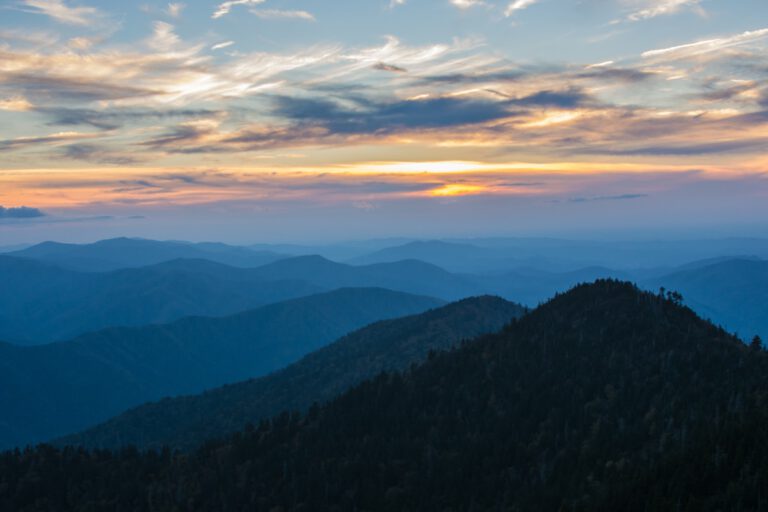
Munich’s location is a real advantage for incentive programs: the Bavarian lakes and the Alpine foothills are within easy reach for a day trip by coach. Depending on the season and the profile of the group, options include:
- a boat trip and lunch on one of the lakes south of Munich, such as Lake Starnberg or Lake Tegernsee
- a mountain excursion in the Garmisch-Partenkirchen area, including a cable car ride where conditions allow
- Neuschwanstein Castle, whose interior can only be visited on a guided tour with a timed ticket, combined with lunch in the surrounding countryside
- in winter, snowshoe walks, a horse-drawn sleigh ride where there is enough snow, or lunch in a mountain hut
Return to Munich in time to rest before the highlight of the program: the awards gala. A historic setting such as a palace hall or an elegant event space gives the evening the weight it deserves. Our overview of gala dinner venues in Germany covers options in Munich and beyond, and our guide to incentive travel in Munich has further ideas for the Bavarian part of the trip.
Day 5: Farewell
A late breakfast, time for a final stroll or some shopping, and transfers to Munich Airport timed to the group’s flights. A small farewell gift in the hotel room or at the airport rounds off the program.
Practical notes for planners
Choosing the season
Late spring and early fall are popular times for incentive travel in Germany, with long days and mild temperatures. If your dates touch Oktoberfest in late September and early October, decide whether to make the festival part of the program or avoid Munich on those dates, as hotels fill up quickly. From late November until Christmas, both cities add Christmas markets to the program options.
Pacing for international groups
Groups arriving from overseas need a gentle first day. Keep Day 1 light, schedule the most active elements for Days 2 and 4, and leave some free time every day, because qualifiers value the chance to explore on their own.
Weather alternatives
Every outdoor element needs a bad-weather plan, especially in the mountains. A museum visit, a cooking class or another indoor activity can replace an excursion at short notice if it has been prepared in advance.
Scaling the program
The structure works for smaller and larger groups, but the details change. Larger groups need more guides, more coaches and venues with the right capacity; smaller groups can use more intimate restaurants and experiences. The main budget levers are hotel category, the number of included meals and the choice of signature experiences.
Variations
Leipzig and Nuremberg are both served by ICE trains between Berlin and Munich, so either can be added as a stopover; not every service stops in Leipzig, so check the timetable for your travel dates. Groups with more time can add a second day in the Alps, or reverse the route and start in Munich.
Frequently asked questions
How many days does a Germany incentive trip need?
Four nights is a good length for two cities: enough time for one full day in each place plus a signature excursion, without spending too much of the program in transit.
Train or plane between Berlin and Munich?
Both work. The train keeps the group together and avoids airport procedures; the plane is faster in the air. For many groups the total travel time is closer than expected, so the decision often comes down to group size, luggage and the program on arrival.
Turn this sample into your program
Every incentive is designed around the company, the qualifiers and the message behind the reward. CTI, a destination management company with offices in Berlin and Munich as well as Frankfurt, can adapt this framework to your group size, dates and budget. Find out more about our incentive travel services or send us your brief via our contact form.